
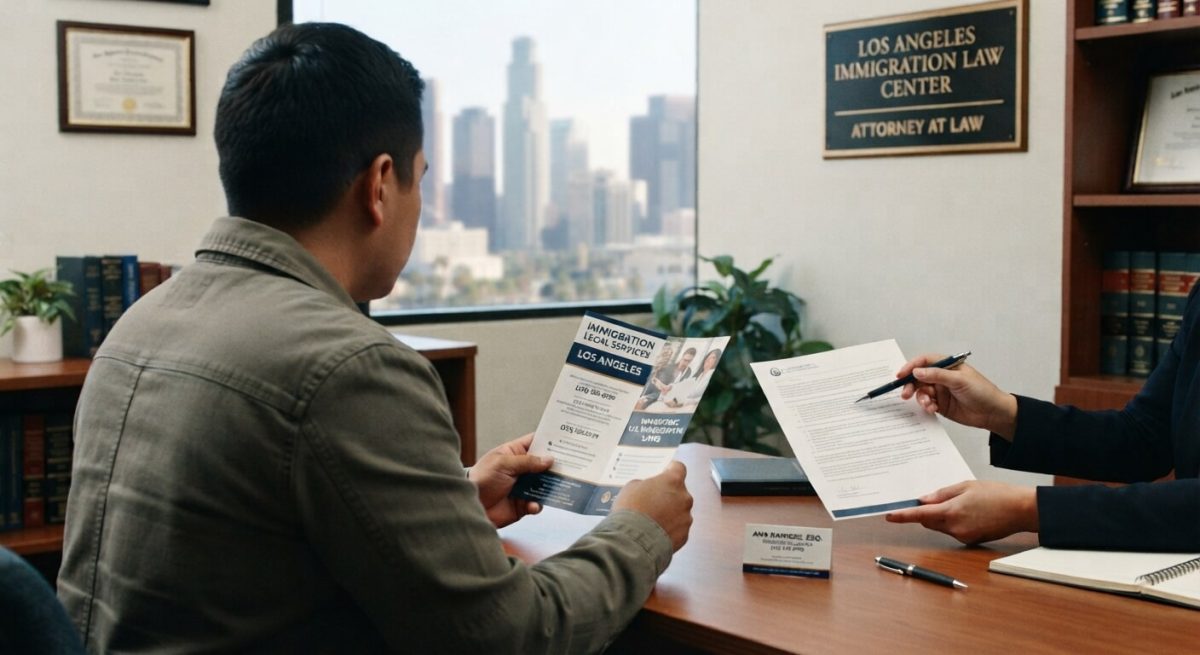
Choosing the right immigration attorney in Los Angeles is one of the most consequential decisions you will make for your family, career, or business. Because immigration outcomes hinge on precise filings, timely responses, and nuanced legal strategy, it is essential to rely on authoritative, verifiable sources when searching for counsel.
Start with the AILA Lawyer Directory
One of the most useful starting points for locating an immigration lawyer is the AILA lawyer directory. The American Immigration Lawyers Association (AILA) is a professional association whose members are individual attorneys who practice immigration and nationality law. Its public directory allows you to search by city, state, ZIP code, practice area (family-based visas, employment, asylum, removal defense, waivers, naturalization), and language. AILA membership is voluntary, and members must be licensed attorneys in good standing, but AILA is not a licensing authority. Use the directory to shortlist two or three attorneys who handle your exact case type, then schedule consultations to compare experience, fees, and communication style.
Verify Licensure with the State Bar of California
Before retaining any attorney, confirm that they are licensed and in good standing with the State Bar of California attorney search. The State Bar's database shows each lawyer's bar number, admission date, current license status (active, inactive, suspended, disbarred), and any public disciplinary history. Only an attorney with an "Active" status may legally practice law in California under Business and Professions Code § 6125.
For a California attorney, the State Bar's database is the definitive record of California license status and public disciplinary history. Because immigration law is primarily federal, an immigration attorney may also be licensed in another U.S. jurisdiction, so California licensure is not necessarily required simply to represent a client before federal immigration agencies.
Consult USCIS Resources to Avoid Scams
The USCIS "Avoid Scams" guidance provides essential information on finding legitimate legal help and recognizing red flags. USCIS clarifies that you do not need a representative to file forms, but if you choose to hire one, you should verify their credentials and understand that USCIS does not endorse specific attorneys. The agency's page outlines warning signs such as guarantees of approval, claims of special connections with the government, and pressure to sign blank or inaccurate documents. Be wary of anyone who guarantees a particular immigration outcome, claims to have special connections with USCIS or immigration judges, or pressures you to sign blank or inaccurate documents.
For low-income individuals, USCIS also lists recognized non-profit organizations and DOJ-accredited representatives who can provide affordable or free legal assistance. While accredited representatives are not attorneys, DOJ-accredited representatives working through recognized nonprofit organizations may provide immigration legal services. Fully accredited representatives may represent clients before USCIS and EOIR, including immigration courts and the Board of Immigration Appeals; partially accredited representatives are limited to matters before DHS/USCIS.
Leverage Local Bar Associations and Legal Aid Networks
Los Angeles offers several additional authoritative referral sources. The LACBA Lawyer Referral Service operates a certified referral program that connects consumers with attorneys in various practice areas, including immigration. The Coalition for Humane Immigrant Rights of Los Angeles (CHIRLA), founded in 1986, is a legal-services and community organization that advances the civil and human rights of immigrants and refugees through legal services, advocacy, and community education. The National Immigration Project directory lists member attorneys and law firms that provide fee-based representation in immigration matters; note that directory information is self-reported and not endorsed by NIP. These organizations can provide additional referral or legal-services resources and may help you identify attorneys or other authorized providers who handle your type of immigration matter.
Evaluate Specialization, Experience, and Fit
Once you have identified potential attorneys through authoritative directories, assess their suitability using these criteria. Look for attorneys who focus primarily on immigration law, ideally with certification as specialists by the State Bar of California in Immigration & Nationality Law. California's Certified Specialist designation requires passing a comprehensive examination, demonstrating extensive and varied experience, completing additional education requirements, and receiving favorable evaluations from attorneys and judges familiar with their work.
Ask how many cases like yours the attorney has handled, what issues or complications they commonly encounter, and whether they have handled matters before the particular agency or court involved in your case. Ask whether the attorney has experience handling cases before the relevant immigration court or agency. Los Angeles has immigration court locations on North Los Angeles Street (300 N. Los Angeles Street, Room 4330) and in West Los Angeles (5245 Pacific Concourse Drive). Choose an attorney who explains complex concepts clearly, responds promptly to inquiries, and provides a written retainer agreement outlining fees, scope of representation, and expected timelines. Check independent review platforms (Google, Avvo, Martindale-Hubbell) and ask for references from past clients with similar cases.
Red Flags to Avoid
Be wary of attorneys or consultants who guarantee specific outcomes or approval timelines, pressure you to sign or pay immediately without providing a written agreement, are not listed in the State Bar's active licensee database or cannot provide a valid California bar number, claim to have "special relationships" with USCIS or immigration judges, or ask you to sign blank or inaccurate immigration forms.
Final Steps Before Retaining Counsel
Before signing a retainer, verify license status via the State Bar of California's attorney search, confirm AILA membership (if claimed) using the AILA directory, request a written fee agreement that details services, costs, and refund policies, and ask about communication protocols, including who will handle your case day-to-day and how quickly you can expect responses. By starting with authoritative sources like the AILA directory, the State Bar of California, and USCIS resources, you can confidently identify qualified, ethical immigration attorneys in Los Angeles who are equipped to handle your case effectively.
Disclaimer: This article is for general informational purposes only and is not legal advice. It does not create an attorney-client relationship. Laws and deadlines can change, and the application of law depends on the facts of each matter. Consider speaking with a qualified California attorney promptly about a specific potential claim.